The Fairest Way to Pick Teams
Every team-picking method, ranked honestly. Why fairness decays as your game grows, and what balanced teams actually require.

06/19/2024
Toronto, Canada
Share



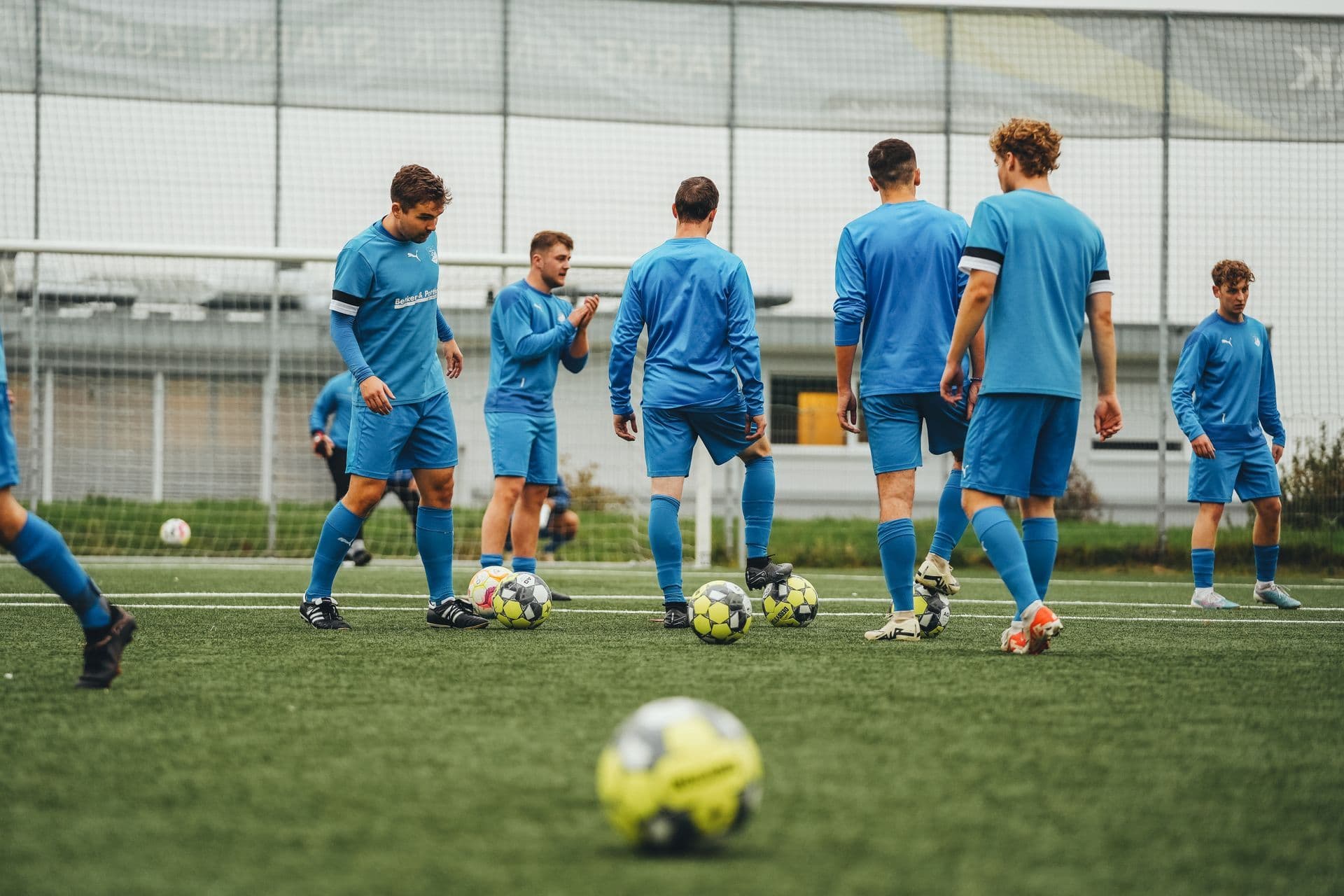
Somewhere right now, fourteen grown adults are standing on a pitch while two captains alternate picking their friends, and the last man chosen is quietly deciding this is his final week.
Team selection feels like a social ritual. It is actually a data problem wearing a social ritual's clothes, and every method your game uses is just a different way of estimating the same hidden numbers: how good is each player, really, tonight, in this combination. Some estimators are better than others. Most groups are using the worst ones.
Every method, ranked honestly
Captains-pick. The schoolyard classic. Accurate-ish, because captains know things. Also the only method that ranks every player publicly, in descending order, in front of their friends. The first picks enjoy it. The last picks absorb it. It also produces stacked teams whenever captains value winning over balance, which is always. Fine for twelve mates who grew up together; corrosive for any game trying to welcome new players. Verdict: accurate, socially expensive, quietly shrinking your group.
Organiser-picks. One person assembles the teams from memory. Better: no public ranking, and a good organiser balances deliberately. But now every lopsided game is one person's fault, the same arguments rerun weekly, and the method's accuracy is capped by one human's memory of who played well three weeks ago. It also adds yet another chore to the job that already burns organisers out. Verdict: kinder, blamier, does not scale.
Shirts-and-bibs randomness. Count off, odds and evens, bibs on the left. Zero social cost, zero accuracy. With small numbers and similar levels it is genuinely fine. With twenty players of mixed ability it produces 7-1 games, and 7-1 games are how casual players decide they are not good enough to come back. Verdict: fair in process, unfair in outcome.
The rotating-captains compromise, the snake draft, the "spread the obvious three" rule. All decent patches. All still estimating skill from vibes and memory.
Notice what every method is missing: information. Who actually shows up, who actually scores, who makes any team they join better. That information exists. Your game generates it every single week. It just evaporates because nobody writes it down.
Why fairness decays as your game grows
Here is the part organisers feel but rarely name. At twelve regulars, everyone knows everyone, and any method works because the data lives in fourteen heads. At twenty-plus with rotating guests, nobody's memory covers the group anymore. The captains do not know the new guy is rapid. The organiser is balancing people he has seen play once.
So the game gets less fair precisely as it gets more successful, the blowouts increase, the post-game complaints increase, and the organiser concludes that people are being difficult. They are not. The estimating system just ran out of memory.
This matters because lopsided games are not a cosmetic problem. Unfair teams are one of the quiet killers of weekly games: nobody ragequits over one 6-1, but everybody slowly deprioritises a game that stopped being competitive. Fairness is retention.
What balanced teams actually require
Three ingredients, none of them exotic:
A record of attendance. Who actually plays, weekly, because the regular who never misses is a different asset from the talent who shows up monthly.
A record of performance. Goals, wins, something. Imperfect is fine; football statistics have always been arguments with numbers attached. Even crude data beats vibes, because it accumulates while memory fades.
A method that uses both and shares the blame. When teams come from the numbers, a lopsided night is the data's fault, not a captain's, not the organiser's. That blame-transfer alone is worth the setup, because it deletes the weekly argument at its source.
Some groups run this on a spreadsheet, and respect to them: a simple rolling rating column and a manual sort gets you most of the way. The catch is that it is one more chore for the one person already doing all of them, and spreadsheet diligence is usually the first thing to die in a busy month.
The version that runs itself
This is one of the reasons we built stats into Never FT rather than bolting them on. Every game logs who played and what happened, every player accrues a record, and the auto-balance splits any week's attendance into the fairest available sides in one tap. New players get folded in after a game or two of data instead of being guessed at. And the stats do double duty: the same numbers that balance the teams give your group a leaderboard worth arguing about, which is half the reason people come back.
It is free for communities that are not charging players. The captains can keep the armbands. The schoolyard lineup can stay in the schoolyard.
Related Articles
Go back to All Blogs
Why Your Tuesday Game Keeps Dying
Weekly games do not die from a lack of players. They die from organiser burnout. Here is the anatomy of a dying game, and the structure that keeps one alive.

Never FT Team
8 min read


The First-Timer's Guide to Someone Else's Game
Every game has an invisible culture, and getting invited back has almost nothing to do with ability. Six moves that work at any pitch, anywhere.
Never FT Team
5 min read

Why Street Footballers Should Track Their Stats
Stats are not for pros. They are for staying. The moment your games produce a record, you stop being someone who plays sometimes and become a player with a season.
Never FT Team
3 min read



FAQ
Frequently Asked Questions
Have questions about joining or hosting games?
From setting up your first match to tracking stats and invites, everything you need to know is right here.Have questions about joining or hosting games? From setting up your first match to tracking stats and invites, everything you need to know
Do I need to replace my current booking system?
How do players join my game?
Do I need to pay to host games?
I manage a venue. Can I host on Never FT?
What happens if someone drops out last minute?
Can I collect payments from players?



Still have questions?
Can’t find the answer you’re looking for?Please chat to our friendly team.Can’t find what you need? Chat with our team,they’re super friendly and happy to help.

Download Never FT and start playng today!


Scan Now!
Connect with us!
Never FT Ⓒ 2025 | All Rights Reserved.