How Much Should You Charge?
The worked math for setting a match fee: pitch cost by format, the no-show buffer, and why a small fee makes your game more inclusive, not less.

06/12/2025
Toronto, Canada
Share




Short answer: pitch cost divided by realistic players, rounded up a dollar, collected when people join. For most small-sided games that lands between six and twelve dollars a head [VERIFY local ranges].
Long answer: the number is the easy half. The interesting questions are the ones organisers actually argue about: whether to charge at all, what the buffer is for, and what to do when money is the reason a mate stops coming. Worked answers below.
First, the case for charging anything
Plenty of games run free and proud, and if your council pitch costs nothing and your crew is twelve reliable mates, stay free. You are not who this post is for.
For everyone renting a surface, the choice is not "free vs paid." It is "who absorbs the cost and the risk." A free-to-players game means the organiser fronts the pitch fee and eats the loss every time attendance dips. That arrangement survives exactly as long as the organiser's patience.
And the fee does a second job that has nothing to do with money. A paid spot is a kept spot. The eight-dollar commitment at join time is the single most effective no-show fix that exists, which means the fee is not just covering the pitch. It is buying everyone a game that reliably happens. Unreliability, not cost, is what actually excludes people: the game that collapses twice a month excludes everybody.
The worked math
The formula:
Fee per player = (pitch cost per session / realistic attendance) + buffer, rounded to a clean number
"Realistic attendance" is the number who actually show, not the cap. If you cap at 14 but average 12, divide by 12.
Example table [VERIFY local pitch costs; placeholders below]:
Format
---
| Format | Typical Pitch Cost / Hr | Session | Realistic Players | Raw Cost Each | Sensible Fee || ------------------------- | ----------------------- | ------- | ----------------- | ---------------- | ------------ || 5v5 indoor or synthetic | $90 to $140 | 1 hr | 12 | $7.50 to $11.70 | $9 to $13 || 7v7 synthetic | $130 to $180 | 1 hr | 16 | $8.10 to $11.25 | $9 to $12 || 11v11 full pitch | $180 to $260 | 90 min | 24 | $11.25 to $16.25 | $13 to $18 || Council park, lights only | $0 to $40 | 90 min | 14 | $0 to $2.85 | $0 to $4 |
Round up, never down, and to a clean number. Nobody resents the difference between $8.40 and $9; everybody resents a mid-season price rise because the math was cute.
What the buffer is, and what it is not
The dollar or two above raw cost is not profit. It is the operating margin every real game needs, and it pays for four things: the week attendance dips below average, the ball that goes over the fence, bibs and a pump, and the occasional bank fee. A game priced at exact break-even is a game that loses money half the time, because attendance varies and pitch invoices do not.
Say this out loud to your group once: "fee covers pitch, kit and thin weeks; surplus rolls into the kitty." Transparency converts the buffer from suspicious margin into shared infrastructure. Some groups let the kitty buy the end-of-season barbecue, which is the best marketing any weekly game ever ran.
The mate who cannot swing it
Every honest post about charging has to handle this. A fee that keeps the game alive can still price out a student or someone between jobs, and quietly losing them is a real cost no spreadsheet shows.
The fix is a host's discretion, used quietly: a standing free spot you gift without ceremony, a "pay what you can this month" message, a regular who covers a mate. The fee is a system for the group; exceptions are a kindness between people. Keep the system public and the exceptions private and you get both reliability and decency.
Collecting is the actual hard part
Setting the number takes ten minutes. Collecting it is where organisers go to die: the screenshots, the IOUs, the awkward third reminder to a friend. Transfer apps and split tools patch the payment and leave the chasing, because the problem was never how money moves. It is that paying and joining are two separate actions, and humans reliably do the first one late.
Merge them and the chase disappears. On Never FT, the fee sits on the join link: tapping in is paying, nobody is on the list who has not settled, and a dropout's refund and the waitlist promotion handle themselves. Hosting is free, and for communities that are not charging players it stays free entirely; a small fee applies only on money you collect [VERIFY locked wording at publish].
Charge the clean number. Say what it covers. Collect it at the door, not after. Your pitch is paid, your spots are kept, and you have retired the worst message in football: "hey mate, just chasing that $8."
Related Articles
Go back to All Blogs
Why Street Footballers Should Track Their Stats
Stats are not for pros. They are for staying. The moment your games produce a record, you stop being someone who plays sometimes and become a player with a season.

Never FT Team
3 min read

Why Street Footballers Should Track Their Stats
Stats are not for pros. They are for staying. The moment your games produce a record, you stop being someone who plays sometimes and become a player with a season.
Never FT Team
3 min read
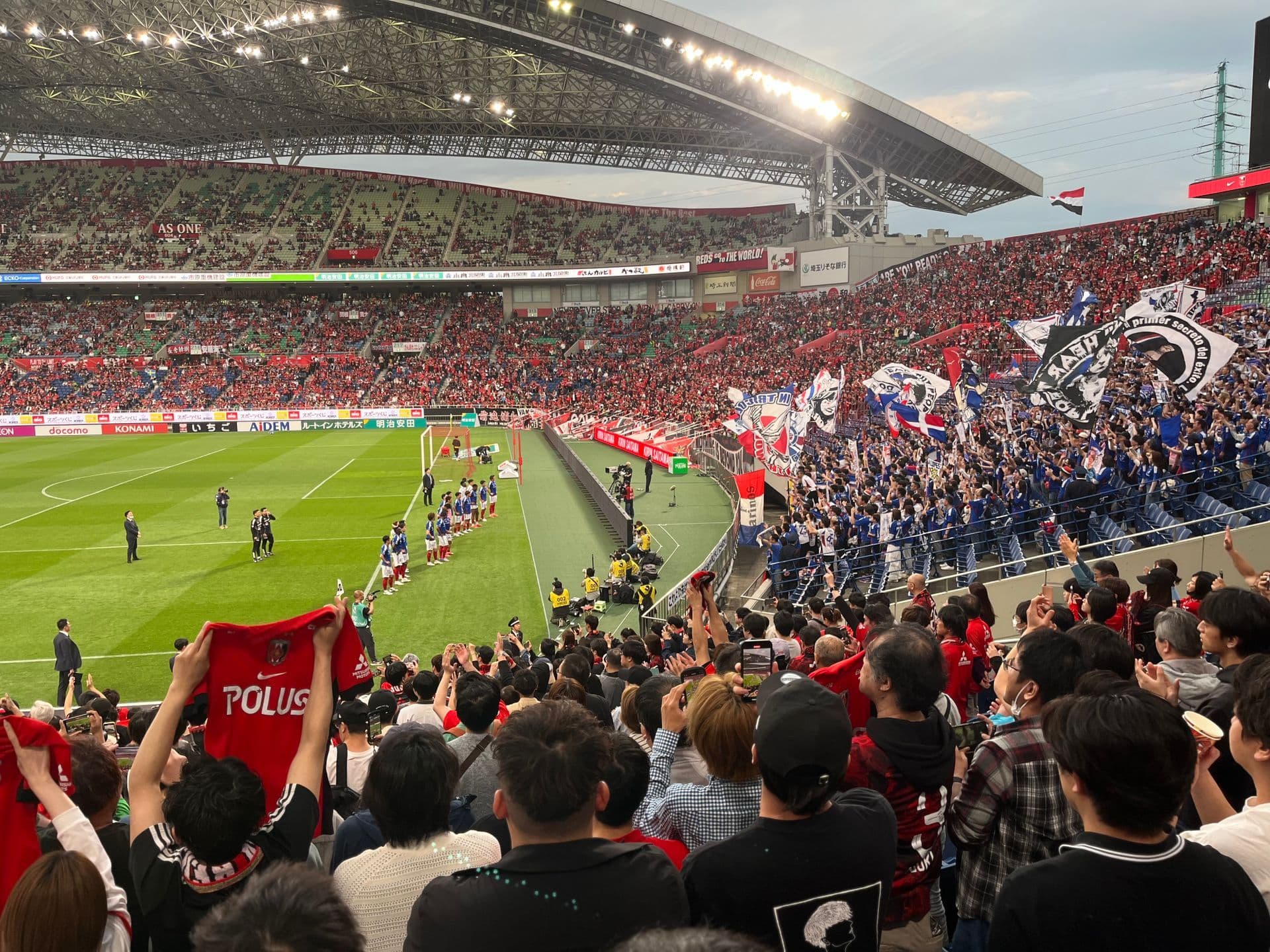
Find Your Football Crowd in a New City in 14 Days
Finding a game in a new city is easy. Finding your game is not. The mistake is sampling. Here is the two-week plan that ends with people knowing your name.
Never FT Team
5 min read



FAQ
Frequently Asked Questions
Have questions about joining or hosting games?
From setting up your first match to tracking stats and invites, everything you need to know is right here.Have questions about joining or hosting games? From setting up your first match to tracking stats and invites, everything you need to know
Do I need to replace my current booking system?
How do players join my game?
Do I need to pay to host games?
I manage a venue. Can I host on Never FT?
What happens if someone drops out last minute?
Can I collect payments from players?



Still have questions?
Can’t find the answer you’re looking for?Please chat to our friendly team.Can’t find what you need? Chat with our team,they’re super friendly and happy to help.

Download Never FT and start playng today!


Scan Now!
Connect with us!
Never FT Ⓒ 2025 | All Rights Reserved.